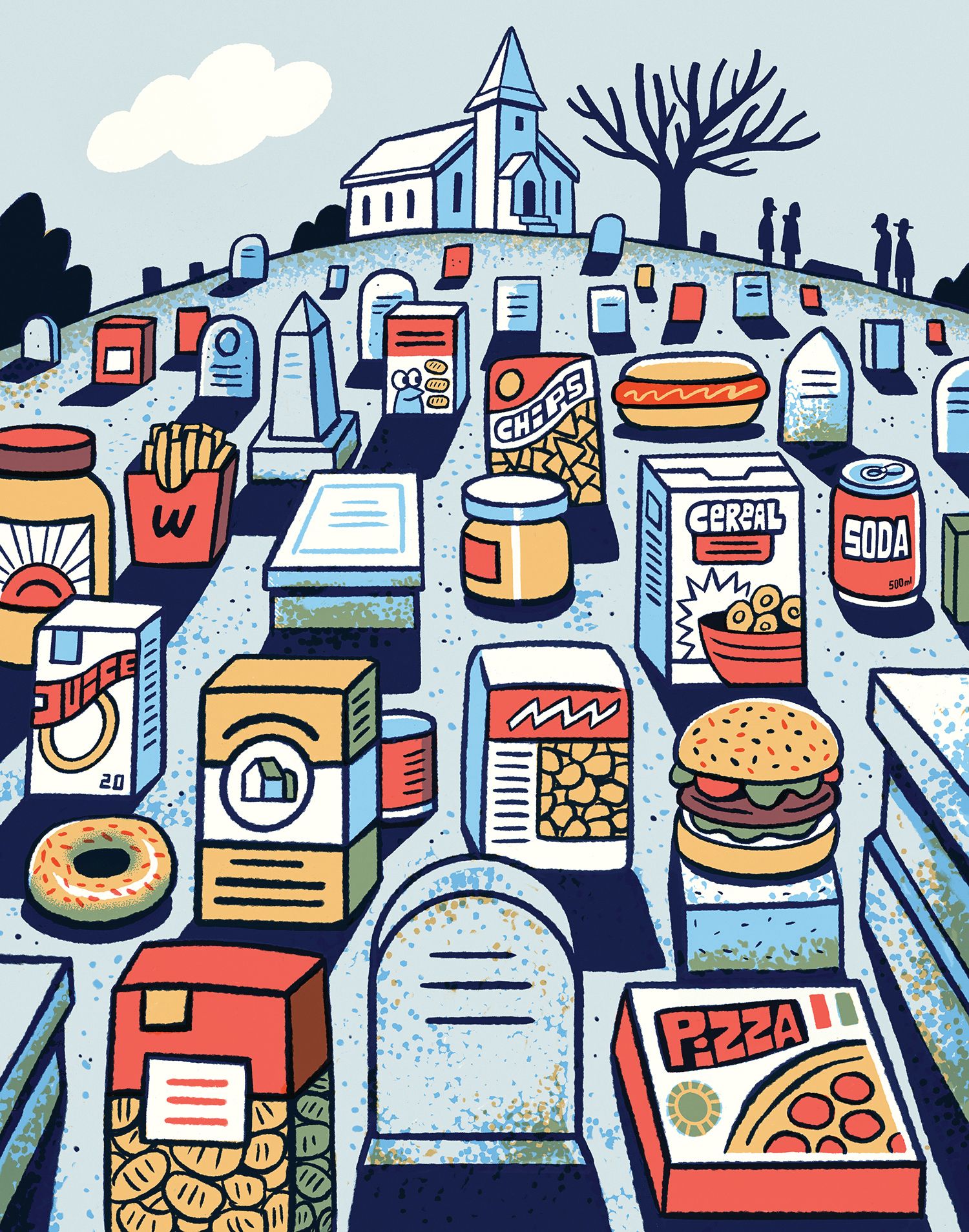
Imagine walking through your local supermarket, surrounded by bright packages and tempting smells. You toss items into your cart, not realizing that many of them could be harmful to your health.
If you’ve ever wondered why the American diet is considered so deadly, you’re not alone. This isn’t just about the occasional burger or soda; it’s about a deeper, more troubling issue that’s affecting millions. We’ll uncover the hidden dangers lurking in everyday foods and why your diet might be putting you at risk.
Prepare to discover eye-opening truths that could change the way you eat forever. Are you ready to take control of your health and make informed choices? Keep reading to find out how you can transform your diet and your life.
Processed Foods Dominance
The American diet has become increasingly reliant on processed foods. These convenient meals are easy to prepare and widely available. But their dominance poses serious health risks. Processed foods often lack essential nutrients. They are packed with unhealthy ingredients. This combination makes them a deadly choice.
High Sugar And Salt Content
Processed foods contain high levels of sugar and salt. These ingredients enhance flavor but harm health. Excessive sugar leads to weight gain and diabetes. Salt can increase blood pressure. Many processed foods rely on these ingredients for taste. This results in widespread health issues.
Artificial Additives And Preservatives
Artificial additives are common in processed foods. They improve appearance and extend shelf life. But they can cause health problems. Preservatives prevent spoilage, but also affect our bodies. Consuming these chemicals may lead to allergies or digestive issues. Their presence in our diet is concerning.
Fast Food Culture
Fast food has become a staple in the American diet. It’s quick, cheap, and everywhere. This convenience has changed how people eat, often at the cost of health. The fast food culture is more than just burgers and fries. It’s a lifestyle that prioritizes speed over nutrition.
Convenience Over Nutrition
Fast food is designed to be easy and fast. Drive-thrus and quick service make it appealing. People with busy lives often choose fast food. It’s a quick solution for meals. But this convenience often means poor nutrition. Many fast foods are high in calories, fats, and sugars. Essential nutrients are often missing.
Choosing fast food regularly can lead to health problems. Lack of nutrients affects the body. It can lead to deficiencies and health issues. The focus on convenience overlooks the need for a balanced diet.
Impact On Obesity Rates
The rise in fast food consumption links to obesity. Fast food is typically high in calories. Consuming these meals often leads to weight gain. Obesity is a growing problem in America. It’s a major health concern affecting millions. Fast food contributes significantly to this issue.
Obesity increases the risk of various diseases. Heart disease, diabetes, and others are linked to obesity. The fast food culture plays a big role in these health risks. It’s crucial to understand the impact on health.
Lack Of Nutrient-rich Foods
The American diet faces a significant issue: lack of nutrient-rich foods. Fast food and processed meals dominate many diets. These choices often lack essential vitamins and minerals. Consuming fewer nutritious foods leads to health problems. Obesity and heart disease are rising concerns. Understanding the decline in vital food groups is crucial.
Decline In Fruit And Vegetable Intake
Fruit and vegetables are vital for health. They offer vitamins, minerals, and fiber. Many Americans eat fewer fruits and vegetables than recommended. Convenience and taste often win over health. Fast food menus rarely emphasize fresh produce. The decline in fruit and vegetable intake affects health. It leads to vitamin deficiencies and weak immune systems.
Whole Grains And Fiber Deficiency
Whole grains provide essential nutrients and fiber. They aid digestion and heart health. Many choose refined grains over whole grains. White bread and pasta are popular but lack fiber. Fiber deficiency leads to digestive issues. Whole grains help maintain a healthy weight. Eating fewer whole grains impacts overall health negatively.

Credit: www.newyorker.com
Portion Sizes And Overeating
The American diet is notorious for its excessive portion sizes and overeating habits. As you sit down to a meal, have you ever noticed the sheer size of what’s on your plate? Portion sizes in America have ballooned over the years, leading to a culture of overconsumption. This trend has significant implications for health, affecting everything from your waistline to your overall well-being.
Supersized Meals
Walk into any fast-food restaurant, and you’re likely to encounter the infamous “supersize” option. These meals offer more food for a slightly higher price, enticing customers with the allure of a bargain. But what are you really paying for?
While you might feel like you’re getting more for your money, you’re also consuming more calories than your body needs. This pattern of eating can easily become a habit, leading to long-term health issues. Have you ever noticed how “value” meals often leave you feeling sluggish and uncomfortable?
Think about your last dining experience. Did the large portion make you feel satisfied or just stuffed? Supersized meals aren’t just about quantity; they often lack the quality your body craves.
Caloric Surplus Consequences
Overeating leads to a caloric surplus, where you consume more calories than you burn. This excess calorie intake contributes to weight gain and can lead to obesity. Obesity, in turn, is a risk factor for several chronic diseases like diabetes and heart disease.
Imagine this: each time you indulge in oversized portions, you might be adding unnecessary calories to your diet. This can have a domino effect, impacting your energy levels, mood, and overall health. Do you find yourself reaching for more food out of habit rather than hunger?
Understanding portion control is key. It’s about finding the right balance to meet your nutritional needs without going overboard. Next time you’re at a restaurant, consider sharing a dish or taking half home. Your body will thank you for it.
It’s essential to recognize that eating isn’t just about satisfying hunger. It’s about nourishing your body with the right amount of food it needs to function optimally. What steps can you take today to ensure your meals are balanced and healthful?
Marketing And Misinformation
Marketing and misinformation play a significant role in shaping the American diet, often leading us to make unhealthy food choices. Companies spend billions on advertising, crafting messages that appeal to our emotions and desires. Unfortunately, this often results in misleading health claims that can confuse even the most vigilant consumer.
Influence Of Food Advertising
Ever noticed how the most vibrant commercials feature sugary cereals, fast food, and snacks? Food advertising is designed to tempt you with bright colors and catchy jingles. It doesn’t just target children; it catches adults too, promising convenience and satisfaction. As a result, you might find yourself craving that burger you saw during a commercial break.
Consider the power of celebrity endorsements. When a famous person promotes a product, it suddenly seems more appealing, doesn’t it? You might think, “If it’s good enough for them, it’s good enough for me.” But remember, these endorsements are often paid, not based on personal choice.
Misleading Health Claims
How often do you see products labeled as “low-fat” or “all-natural”? These claims can be misleading. A “low-fat” label might mean the product is still high in sugar or calories. “All-natural” doesn’t guarantee it’s healthy; it might just mean fewer artificial ingredients.
Think about the confusion surrounding terms like “organic” and “non-GMO.” While they sound healthy, they don’t necessarily mean the product is nutritious. Many times, they are marketing ploys to make you feel better about your choices. Are you checking the labels closely, or are you swayed by the front packaging?
Next time you shop, scrutinize those labels. Ask yourself if the claims align with your health goals. Is the product truly beneficial, or is it just a clever marketing tactic?

Credit: www.reddit.com
Socioeconomic Factors
Many Americans face limited access to fresh produce due to economic challenges. Fast food becomes a more affordable option. This reliance on unhealthy food leads to serious health problems.
Socioeconomic factors play a significant role in shaping the American diet, often dictating what foods are accessible and affordable for different communities. These factors can lead to unhealthy eating patterns, contributing to the prevalence of diet-related diseases. Understanding these influences can help us make better choices and advocate for changes that support healthier lifestyles.Accessibility And Food Deserts
In many parts of the United States, particularly in low-income and rural areas, accessibility to fresh and nutritious food is limited. These regions, known as food deserts, lack supermarkets and grocery stores that offer a variety of healthy options. Instead, they are often dominated by convenience stores and fast-food outlets. Imagine living in a neighborhood where the nearest grocery store is miles away, but a fast-food chain is just around the corner. In such areas, families may rely on cheap, processed foods that are high in calories but low in nutrients. This lack of access to healthy food options makes it challenging for individuals to maintain a balanced diet.Cost Of Healthy Eating
The cost of healthy eating is another barrier that many Americans face. Nutritious foods, such as fresh fruits, vegetables, and lean proteins, are often more expensive than processed and fast foods. For families on tight budgets, this can make it difficult to prioritize healthy eating. Consider a family with limited income trying to feed several mouths. The price of organic produce or high-quality proteins might be out of reach, leading them to opt for cheaper, less nutritious alternatives. The high cost of healthy foods can discourage people from making positive dietary changes. It’s worth asking yourself, how often does price influence your food choices? If healthier foods were more affordable, would you eat differently? Recognizing these challenges can lead to better understanding and discussions about how to make healthy eating more accessible and affordable for everyone.Impact On Chronic Diseases
The American diet significantly impacts chronic diseases. Many people consume high-calorie, low-nutrient foods. This unhealthy eating pattern contributes to various health issues. These include heart disease, hypertension, diabetes, and metabolic disorders. Understanding these impacts is crucial to improving health outcomes.
Heart Disease And Hypertension
Heart disease remains a leading cause of death in America. Poor dietary choices increase heart disease risk. High intake of saturated fats and sodium is common. Fast foods and processed meals often contain these. Such foods raise blood pressure and cholesterol levels. This leads to hypertension and heart-related issues.
Diabetes And Metabolic Disorders
Diabetes rates are soaring due to poor diet. Consuming sugary drinks and snacks is routine. These foods spike blood sugar levels. Over time, this can cause insulin resistance. This often leads to type 2 diabetes.
Metabolic disorders are also on the rise. A diet high in refined carbs contributes significantly. These carbs turn into sugar quickly. This overloads the body’s ability to process them. As a result, obesity and metabolic syndrome develop.
Cultural And Lifestyle Influences
The American diet is often criticized for its negative health impacts, and cultural and lifestyle influences play a significant role in shaping these eating habits. Many factors, including our daily routines and the traditions passed down through generations, contribute to the choices we make at the dinner table. Understanding these influences can help us make healthier decisions and possibly rethink what we put on our plates.
Sedentary Lifestyle
In the age of technology, many of us spend long hours sitting in front of screens, whether for work or leisure. This sedentary lifestyle means we burn fewer calories throughout the day, increasing the risk of weight gain and related health issues.
Consider your daily routine. Do you often drive even short distances? Small changes, like walking or biking, can add movement to your day and help counterbalance a calorie-rich diet.
You might think that hitting the gym a few times a week is enough. But, incorporating more physical activity into your daily life can be even more beneficial. Try taking the stairs instead of the elevator or standing while working to keep your body engaged.
Traditional Eating Habits
American traditional meals often emphasize large portions and calorie-dense foods. Think about the classic burger and fries combo. It’s not just about the ingredients; it’s about the portion size and frequency.
Our cultural events and celebrations often revolve around food. Thanksgiving, for example, is a holiday centered on a feast. While these traditions are cherished, they can lead to overconsumption if not balanced with healthier choices.
Ask yourself, how often do you find yourself eating out of habit rather than hunger? Becoming mindful of your eating habits can help you make healthier choices. Try swapping out one traditional meal a week for a lighter, more nutritious option.
Breaking away from these cultural and lifestyle norms might seem challenging, but small changes can lead to significant health benefits. What steps will you take today to improve your diet and lifestyle?

Credit: www.reddit.com
Frequently Asked Questions
Which Country Has The Most Unhealthiest Diet?
The United States often tops lists for unhealthy diets. High consumption of processed foods, sugars, and fats contributes. Fast food culture and large portion sizes worsen the situation. Sedentary lifestyles further impact health negatively. Efforts to promote healthier eating continue to grow.
When Did Food In America Become So Unhealthy?
Food in America became unhealthy in the mid-20th century. Processed foods and fast-food chains surged. These foods often contained high sugar, fat, and salt levels. Industrial agriculture also increased, focusing on quantity over quality. This shift led to widespread health concerns, including obesity and heart disease.
How Unhealthy Is The United States?
The United States struggles with high obesity rates and chronic diseases like heart disease and diabetes. Lifestyle factors such as poor diet and sedentary habits contribute significantly. These health issues affect life expectancy and healthcare costs, highlighting the need for improved public health initiatives and personal wellness choices.
Why Is American Fast Food So Unhealthy?
American fast food is often high in calories, saturated fats, and sugar. It typically lacks essential nutrients and fiber. The focus on taste over health promotes excessive consumption. Large portion sizes and processed ingredients contribute to its unhealthiness. Fast food frequently uses artificial additives to enhance flavor and shelf life.
Conclusion
The American diet poses serious health risks. High sugar and fat intake contribute to obesity. Processed foods harm our bodies. These unhealthy habits lead to diseases like heart problems and diabetes. Eating more fresh fruits and vegetables can help. Whole grains and lean proteins support better health.
Choosing water over sugary drinks makes a difference. Small changes can lead to big health benefits. It’s crucial to be aware of what we eat. Making informed choices can improve our well-being. Let’s aim for a healthier lifestyle. It’s never too late to start.
Your body will thank you.