Can you really outwork a bad diet? It’s a question many of us have pondered while sweating it out at the gym or during a morning jog.
You push yourself hard, hoping that all those calories burned will erase last night’s indulgence. But what if you’re running in circles? What if the secret to fitness isn’t just about endless hours of exercise, but more about what’s on your plate?
Imagine a world where you can eat anything and just work it off later. Sounds too good to be true, right? That’s because it probably is. Your body is like a finely tuned machine, and what you fuel it with matters. Yet, the allure of easy fixes often leads us down a path of misconceptions. You’ll discover why exercise alone might not be enough to achieve your health goals. We’ll unravel the science behind diet and exercise, and reveal how balancing the two can transform your body and mind. Are you ready to find out if your efforts are truly paying off, or if it’s time to rethink your strategy? Keep reading to uncover the truth behind the myth of outworking a bad diet.
The Myth Of Outworking A Bad Diet
Many believe exercise can counteract poor eating habits. This idea is tempting. It suggests a way to enjoy unhealthy foods guilt-free. But can intense workouts truly negate bad dietary choices? This misconception persists despite evidence to the contrary.
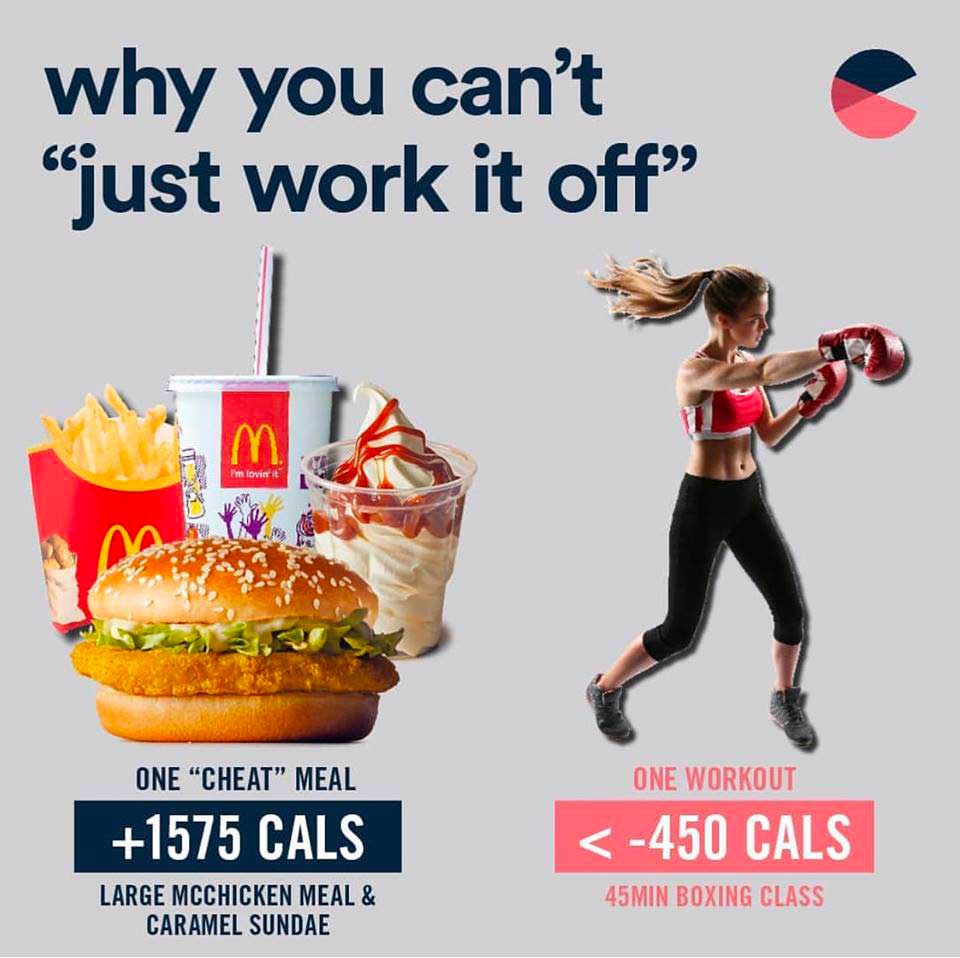
Exercise is crucial for health. It builds strength and boosts mood. Yet, relying on exercise alone for weight control is misleading. Calories burned during workouts often don’t match calories consumed. A single burger can negate hours at the gym.
Weight loss hinges on a simple equation. Calories in versus calories out. Exercise burns calories, but diet determines intake. Eating habits have a bigger impact on weight than exercise. Those who eat healthily often find exercise more effective.
The Role Of Nutrition
Nutrition plays a vital role in overall health. It affects energy levels and mood. Poor diet can lead to fatigue, reducing exercise effectiveness. A balanced diet supports workouts and aids recovery. It provides necessary fuel for physical activity.
Quality Over Quantity
Not all calories are equal. Nutrient-rich foods provide lasting energy. Empty calories from junk food offer little benefit. Choosing quality foods enhances health, even with less exercise. Nutrients help maintain metabolism and support muscle growth.
Building Sustainable Habits
Healthy habits lead to long-term success. Combining exercise with a balanced diet is key. Consistency in both areas improves health and well-being. Small changes in eating can yield big results. Sustainable habits create a healthier lifestyle.
Calories In Vs. Calories Out
Balancing exercise with diet is crucial for weight management. Burning calories through workouts helps, but can’t fully offset poor eating habits. A healthy diet enhances fitness results, supporting long-term wellness and energy levels.
When it comes to managing weight, you might have heard the phrase “calories in vs. calories out.” This concept is central to understanding how food and exercise impact weight loss or gain. But can you really outwork a bad diet? Let’s break it down and see how energy balance plays a role in your weight management journey.Understanding Energy Balance
Energy balance is about the relationship between the calories you consume and the calories you burn. Simply put, if you eat more calories than you burn, you gain weight. Conversely, if you burn more calories than you eat, you lose weight. Think of your body as a bank account. Calories are deposits, and physical activity is your way of spending. If you deposit more than you spend, your account grows. The same principle applies to weight gain. However, it’s not just about numbers. The quality of calories matters too. 100 calories from an apple fuel your body differently than 100 calories from a candy bar. Are you considering the types of calories you’re consuming daily?Impact On Weight Loss
Weight loss isn’t just about burning more calories than you eat. The source of those calories can significantly affect your success. Processed foods might offer quick energy but leave you hungry and wanting more. On the other hand, whole foods like vegetables, lean proteins, and whole grains help you feel full longer. They provide nutrients that support your metabolism, making it easier to lose weight. Have you noticed how much more energized you feel after a balanced meal compared to a fast-food binge? Exercise is vital, but it can’t completely counteract poor eating habits. Running for an hour might burn off that cheeseburger, but is it worth the effort every day? Instead of solely focusing on exercise, why not consider balancing your diet to support your fitness goals? Ultimately, understanding and managing your energy balance can be the key to successful weight management. Are you ready to take control of the calories in versus calories out equation in your life?Role Of Nutrition In Fitness
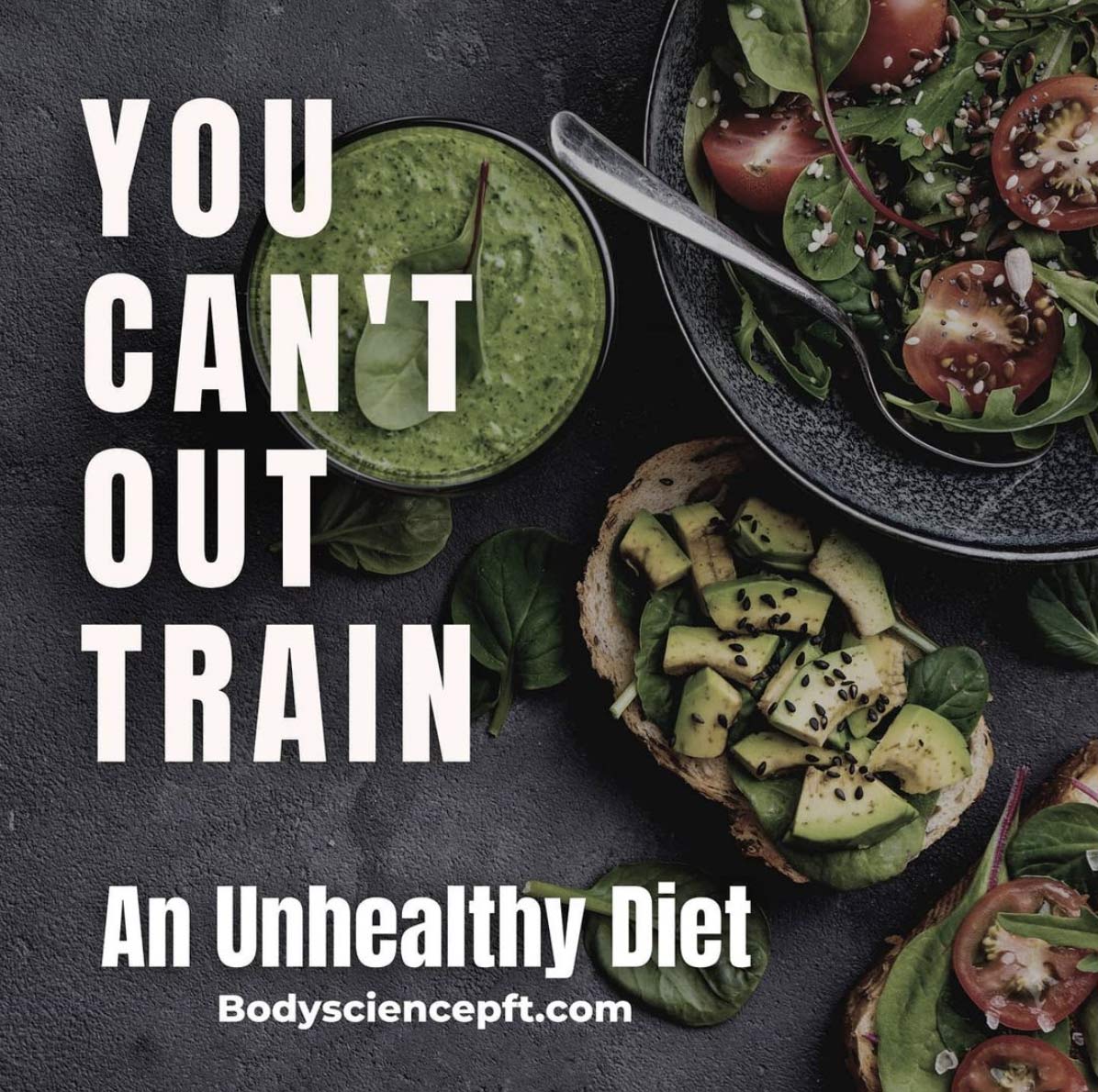
Nutrition plays a crucial role in fitness. It’s not just about exercise. What you eat fuels your body. A balanced diet enhances performance and recovery. Eating right builds strength and endurance. Poor nutrition can hinder progress. The right nutrients optimize workouts. They support muscle growth and repair. A bad diet can limit results. Understanding nutrition’s impact is essential.
Fueling Performance
Good nutrition fuels workouts effectively. Carbohydrates provide energy for exercise. Proteins help in muscle repair. Fats sustain long-duration activities. Hydration is also key. Water keeps the body cool and hydrated. A well-fueled body performs better. It resists fatigue and maintains focus. Pre-workout meals boost energy levels. Post-workout meals aid recovery. Proper nutrition maximizes performance.
Recovery And Muscle Building
Recovery is vital after workouts. Protein helps muscle repair and growth. Amino acids rebuild muscle tissue. Carbs restore energy reserves. Sleep and hydration further aid recovery. Muscles grow stronger with proper nutrition. A balanced diet supports muscle building. It helps in reducing soreness and fatigue. Timing meals enhances recovery processes. A bad diet slows muscle growth. Adequate nutrition speeds up recovery.
Credit: bodysciencepft.com
Exercise And Its Limits
Many believe exercise can counteract poor dietary habits. This notion is widespread. But is it really possible to outwork a bad diet? While exercise plays a crucial role in maintaining health, it has limitations. It’s essential to understand the boundaries of physical activity.
Physical Activity Benefits
Exercise improves cardiovascular health. It strengthens muscles. Regular activity boosts mental well-being. Engaging in workouts helps control weight. It enhances energy levels. Exercise supports immune function, reducing illness risk. Physical activity also promotes better sleep. It reduces stress and anxiety.
Why Exercise Alone Isn’t Enough
Exercise burns calories. But not as many as we think. A single workout session may not counteract high-calorie meals. Diet provides essential nutrients. Without them, the body suffers. Poor eating habits lead to nutrient deficiencies. Over time, this affects overall health. Consistent poor diet impacts energy and mood. It can lead to chronic diseases. Exercise cannot fully compensate for nutrient gaps. Balanced diet is crucial for optimal health.
Common Dietary Mistakes
Many people struggle with weight loss despite regular exercise. The culprit? Common dietary mistakes. These errors can sabotage your fitness goals. They often go unnoticed. Recognizing them is the first step toward success. Let’s explore some of these pitfalls.
Overestimating Calorie Burn
Many assume workouts burn more calories than they do. This leads to overeating. People often think a run burns hundreds of calories. In reality, it might burn less. Fitness trackers can mislead. They sometimes overestimate calorie burn. This false sense of accomplishment leads to excess eating.
Underestimating Calorie Intake
Portion sizes are deceiving. Many underestimate how much they eat. A small snack might seem harmless. But it can add hundreds of calories. Restaurant portions are larger than home-cooked meals. Hidden calories lurk in sauces and dressings. Tracking food intake helps. It provides a clearer picture of consumption.
Credit: fiercefuel.ca
Creating A Balanced Approach
Creating a balanced approach involves merging effective diet plans with exercise routines. This strategy not only boosts overall health but also supports sustainable weight loss. It’s not about depriving yourself but making smart, enjoyable choices. A balanced approach ensures you get the most out of your efforts, benefiting both mind and body.
Combining Diet And Exercise
Balanced eating and regular exercise work hand in hand. A nutritious diet provides energy for workouts, helping you push harder. Exercise, in turn, aids in burning calories and boosting metabolism. Together, they create a synergy that supports optimal health. A mix of cardio and strength training complements a varied diet. It ensures you build muscle while shedding fat.
Setting Realistic Goals
Set achievable targets to keep yourself motivated. Start with small, manageable goals that fit your lifestyle. This can be anything from walking 30 minutes daily to choosing healthier snacks. Celebrate each milestone to stay encouraged. Realistic goals prevent burnout and promote long-term success. Remember, consistency is key to seeing results. Adjust your plan as needed, but stay committed to your health journey.
Expert Insights
Expert opinions often debate if exercise can offset a poor diet. Many argue that physical activity alone isn’t enough. Balancing nutrition and fitness is crucial for optimal health and performance.
When it comes to balancing exercise and diet, many wonder if they can simply work out harder to offset poor eating habits. To shed light on this, we’ve gathered insights from experts in both nutrition and fitness. Their advice not only challenges common misconceptions but also offers practical guidance for those striving for a healthier lifestyle.Nutritionist Perspectives
Nutritionists stress the importance of understanding the role of food in your body. You might spend hours at the gym, but a diet high in processed foods and sugars can negate your hard work. A friend of mine once trained for a marathon but saw little improvement until she changed her diet. This illustrates how vital nutrition is to achieving fitness goals. Experts recommend focusing on whole foods. Incorporate more fruits, vegetables, lean proteins, and whole grains into your meals. This provides the energy and nutrients your body needs to perform and recover efficiently. Ask yourself: Are you fueling your body with what it truly needs? A simple change in your daily eating habits can make a significant difference in your health and fitness journey.Trainer Advice
Trainers often encounter clients who believe exercise can compensate for poor dietary choices. They emphasize that while physical activity is crucial, it cannot fully counteract the effects of a bad diet. A trainer I know shared a story about a client who exercised daily but saw no progress until they adjusted their eating habits. This underscores the partnership between diet and exercise. Consistency is key. Trainers suggest setting realistic goals that combine both nutrition and exercise. For instance, you could start by committing to three days of strength training and gradually adding more nutritious meals to your diet. Consider this: Are you maintaining balance between your workouts and your meals? This harmony is essential for long-term success and overall well-being. Striking the right balance between diet and exercise is not just about achieving a desired weight. It’s about enhancing your overall health and ensuring your body functions at its best. Remember, you can’t outrun a bad diet, but you can choose to fuel your body wisely.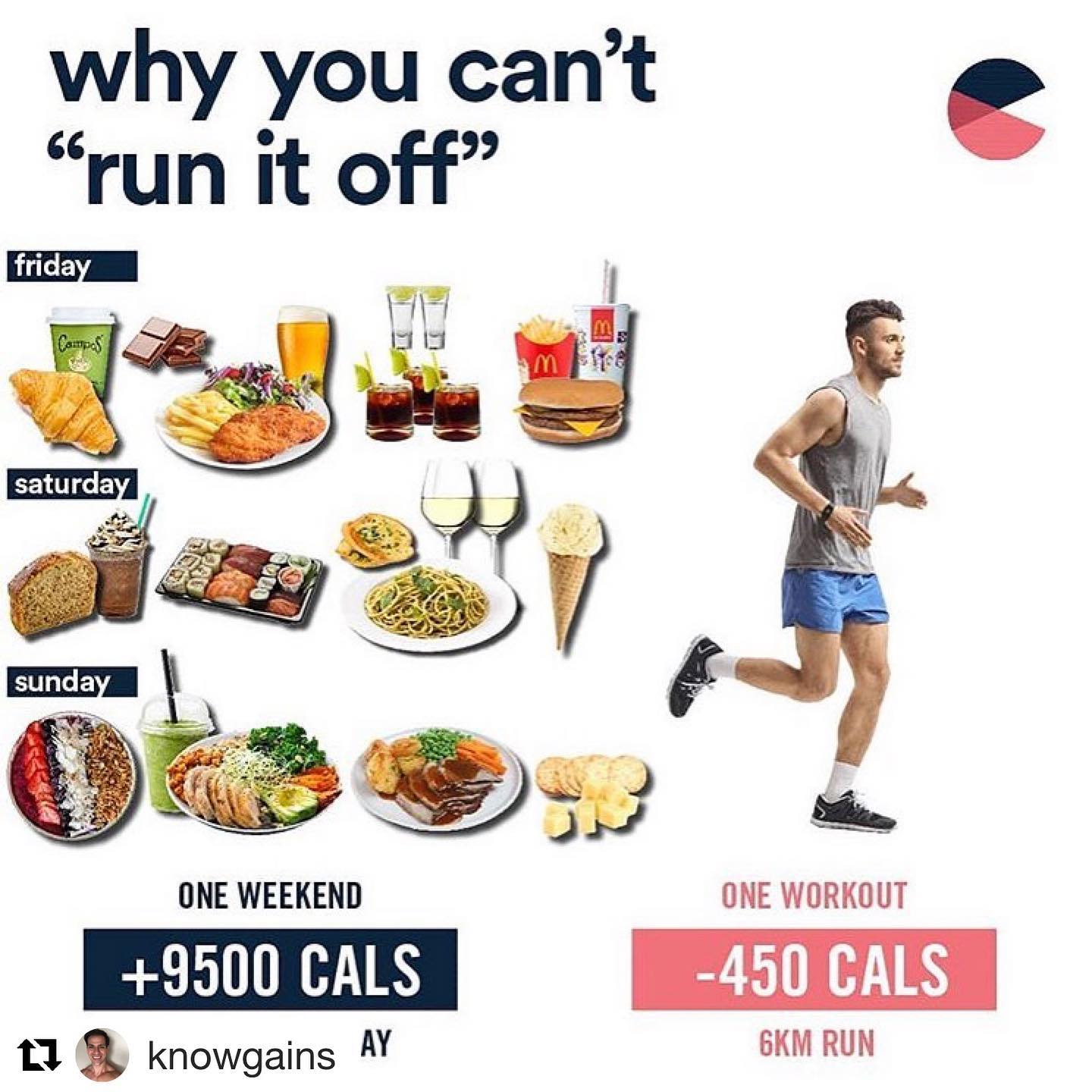
Credit: www.facebook.com
Successful Strategies
Balancing exercise with a poor diet is a challenge. Exercise burns calories, but nutrition fuels results. Achieving fitness goals requires both effort and healthy eating.
When it comes to maintaining a healthy lifestyle, many people wonder if they can simply outwork a poor diet. While exercise is a crucial component of overall health, relying solely on physical activity may not yield the desired results. Successful strategies for balancing diet and exercise can make a significant difference in achieving your health goals. Let’s dive into some real-life success stories and practical tips to help you make sustainable changes.Real-life Success Stories
Imagine a busy mom juggling work, family, and personal health. She decided to prioritize her nutrition while maintaining a consistent workout routine. By preparing meals in advance and choosing whole foods, she managed to lose weight and boost her energy levels. Consider a college student who struggled with late-night snacking. By setting small, achievable goals and tracking progress, he managed to replace unhealthy snacks with fruits and nuts. His grades improved along with his health. These stories show that combining a healthy diet with exercise can lead to more effective results. Have you tried any similar strategies in your own life?Tips For Sustainable Change
Making sustainable changes doesn’t have to be overwhelming. Start with small steps. Swap soda for water, or add a serving of vegetables to your meals. Consistency is key. Find an exercise routine that you enjoy. This could be a morning jog, yoga, or even a dance class. Mindful eating can also play a big role. Pay attention to what you eat and how it makes you feel. Avoid distractions like TV or smartphones during meals. Tracking your progress can help you stay motivated. Use a journal or an app to log your meals and workouts. Celebrate small victories along the way. Have you considered how these strategies might fit into your lifestyle? Making simple, consistent changes can have a lasting impact on your health journey.Frequently Asked Questions
What Happens If You Work Out With A Bad Diet?
Working out with a bad diet hinders progress. Poor nutrition reduces energy levels, affecting workout performance. Muscle recovery slows down, increasing injury risk. Weight loss or muscle gain stalls without proper nutrients. Balanced meals enhance exercise results, supporting fitness goals effectively.
Prioritize nutrition for optimal physical benefits.
Can You Actually Outrun A Bad Diet?
Exercise can’t compensate for poor nutrition. A balanced diet fuels your body effectively, supporting workouts and overall health. Focus on nutritious foods to achieve fitness goals. Regular exercise and healthy eating go hand-in-hand for optimal results. Prioritize quality foods and consistent activity for sustainable health improvements.
Why Do They Say You Can’t Out Exercise A Bad Diet?
Exercise burns calories but can’t compensate for a poor diet. Unhealthy eating leads to weight gain and health issues. Diet impacts metabolism, energy levels, and body composition. Balanced nutrition supports exercise efficiency and overall health. Prioritize healthy eating for effective fitness and wellbeing.
What Happens If You Workout Without A Proper Diet?
Exercising without a proper diet limits muscle growth and reduces energy levels. Nutrient deficiencies can hinder performance, recovery, and fat loss. A balanced diet supports fitness goals, enhances results, and maintains overall health. Prioritize both nutrition and exercise for optimal outcomes.
Conclusion
Balancing diet and exercise proves essential for achieving health goals. A bad diet can undo hours of hard work at the gym. Nutrition plays a crucial role in overall wellness. Healthy food choices enhance energy and performance. Exercise alone might not combat poor eating habits.
Consistency in both areas leads to lasting results. Start small, with manageable changes. Focus on fresh, whole foods. Drink plenty of water. Regular physical activity paired with good nutrition fosters a healthy lifestyle. Prioritize both for optimal health. Remember, a balanced approach brings the best success.