Are you curious about what a gastrointestinal soft diet is and why it might be recommended for you? Understanding the foods you should eat when dealing with digestive issues can be overwhelming.
Imagine being able to enjoy meals without the worry of discomfort or irritation. This article is here to guide you through the ins and outs of a gastrointestinal soft diet, making it simpler to navigate your dietary needs. You’ll discover how this diet can help soothe your digestive system and improve your overall well-being.
Dive in and learn how you can make smart food choices that promote a healthier, happier gut.

Credit: www.scribd.com
What Is A Gastrointestinal Soft Diet
A gastrointestinal soft diet is designed for individuals with specific digestive needs. It involves eating foods that are easy to chew and digest. This diet helps reduce digestive discomfort and irritation. It often includes foods low in fiber and fat. Soft, cooked fruits and vegetables, lean meats, and dairy are common. This diet is often recommended for people with certain medical conditions.
Purpose And Benefits
The primary purpose of a gastrointestinal soft diet is to ease digestion. It reduces the strain on the digestive system. This diet can help manage symptoms of gastrointestinal disorders. It may also support healing after surgery. Benefits include less bloating, gas, and stomach pain. It also helps in absorbing nutrients more effectively. This diet can lead to improved overall digestive health.
Who Needs It
Individuals with gastrointestinal disorders often need this diet. Conditions like Crohn’s disease or ulcerative colitis may require it. People recovering from gastrointestinal surgery might also need it. Those with swallowing difficulties can benefit too. A healthcare provider usually recommends this diet. It is important to follow their guidance for the best results.
Foods To Include
A gastrointestinal soft diet includes foods that are easy to digest and gentle on the stomach. Cooked vegetables, soft fruits, and tender meats are recommended. Avoiding spicy, fried, or fibrous foods helps minimize digestive discomfort.
Embarking on a gastrointestinal soft diet can be a transformative experience for your digestive health. This diet focuses on foods that are easy on the stomach, minimizing discomfort while maximizing nutrition. Imagine the relief of eating without worry. Let’s dive into the delicious and nutritious foods you can enjoy on this diet.Fruits And Vegetables
Fruits and vegetables are the cornerstone of any healthy diet, and they’re no exception here. Opt for ripe bananas, soft peaches, and melons. These fruits are gentle on your stomach and provide essential vitamins. Cooked vegetables like carrots and zucchini are also great choices. Steaming them softens their fibers, making them easier to digest. Avoid fibrous vegetables like broccoli and cabbage to prevent bloating.Protein Sources
Finding the right protein sources is crucial for maintaining energy levels. Tender chicken, turkey, and fish are excellent options. They’re easy to chew and digest, ensuring your stomach doesn’t overwork. Eggs are another versatile protein choice. Scrambled or poached, they offer a quick and gentle source of nutrients. Consider tofu if you prefer plant-based proteins—it’s soft and easily digestible.Grains And Cereals
Grains and cereals provide essential carbohydrates for energy. Choose white rice and pasta as they are softer and less fibrous than whole grains. They offer comfort without straining your digestive system. Oatmeal is another fantastic option. Its creamy texture is soothing and provides a good dose of fiber without being too harsh. Remember, opting for refined grains can ease digestion.Dairy Products
Dairy can be tricky, but some options are gentle on the stomach. Low-fat yogurt and soft cheeses like cottage cheese are great for your soft diet. They offer calcium and probiotics, which are beneficial for gut health. Milk can be included in moderation. Opt for lactose-free options if regular milk causes discomfort. Have you ever felt that comforting warmth after a glass of milk? It’s not just the taste; it’s the soothing effect on your stomach. Isn’t it fascinating how simple changes in your diet can make a world of difference? What will you try next from this list? Your digestive health journey starts with the right choices.Foods To Avoid
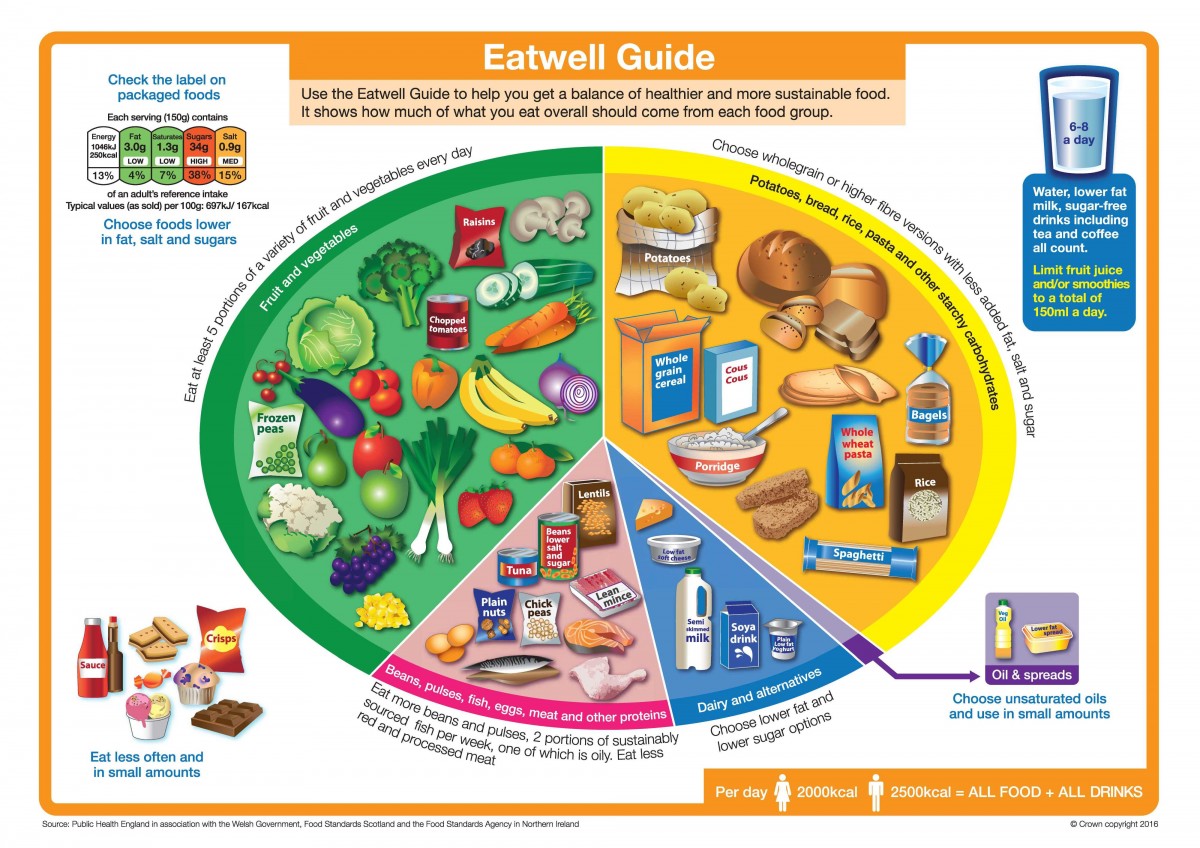
Following a gastrointestinal soft diet requires careful food choices. Certain foods can irritate the digestive tract. Avoid these to ensure better digestive health. This guide highlights key foods to avoid on this diet.
High-fiber Foods
High-fiber foods can be hard on sensitive stomachs. They may cause bloating and discomfort. Foods like whole grains, nuts, and seeds are high in fiber. Stay away from beans and lentils too. These can stress the digestive system.
Spicy And Fatty Foods
Spicy foods can irritate the stomach lining. They may cause heartburn or indigestion. Fatty foods are not easy to digest either. Avoid fried foods and heavy sauces. These can slow digestion and cause discomfort.
Raw Vegetables
Raw vegetables can be tough on the digestive tract. They require more effort to break down. Cooked vegetables are easier to digest. Steer clear of raw carrots, broccoli, and cauliflower. Opt for soft, cooked versions instead.
Credit: www.nhsscotlandnorth.scot
Meal Planning Tips
Meal planning for a gastrointestinal soft diet requires some thoughtful strategies. Focus on gentle foods that aid digestion and promote healing. This involves selecting appropriate cooking methods and ensuring balanced nutrition. Let’s explore effective meal planning tips for a gastrointestinal soft diet.
Portion Control
Eating smaller portions can ease digestion. It reduces the workload on your stomach and intestines. Smaller meals throughout the day help maintain energy levels. Consider dividing your daily intake into five or six small meals. This approach minimizes digestive stress and discomfort. Use smaller plates to help control portion sizes easily.
Cooking Methods
Cooking methods play a crucial role in meal preparation. Opt for steaming, boiling, or baking instead of frying. These methods keep the food soft and easy to digest. Avoid spices or strong flavors that may irritate the stomach. Steamed vegetables and poached meats are excellent choices. They maintain nutrients while providing a gentle texture.
Balanced Nutrition
Ensure meals offer balanced nutrition for overall health. Combine proteins, carbohydrates, and healthy fats in each meal. Choose soft fruits like bananas and applesauce for vitamins. Soft grains like oatmeal provide necessary fiber without harshness. Lean proteins like chicken or tofu offer essential nutrients. Balance ensures your body receives all it needs to heal effectively.
Potential Challenges
The gastrointestinal soft diet can present various challenges. These challenges may affect your overall health and daily routine. Understanding them helps you prepare and adapt effectively.
Nutritional Deficiencies
On this diet, you might miss essential nutrients. It limits whole grains and raw vegetables. These foods are vital sources of vitamins and minerals. Lack of fiber can lead to digestive issues. Supplements may become necessary to balance your nutrient intake. Always consult a healthcare professional before adding supplements.
Dietary Restrictions
The diet requires avoiding certain foods. Spicy and fried foods are off the list. This can limit your culinary choices. Eating out becomes challenging due to menu limitations. Reading labels and planning meals become crucial skills. Preparing meals at home often ensures compliance with dietary rules.
Social And Lifestyle Adjustments
Social events often revolve around food. Attending parties or gatherings may feel restrictive. You might need to explain your diet choices to friends. This can sometimes feel uncomfortable or isolating. Dining out requires careful menu selection, which might be time-consuming. Adaptation is key for maintaining social connections while on this diet.
Credit: www.carepatron.com
Frequently Asked Questions
What Is A Gastrointestinal Soft Diet?
A gastrointestinal soft diet includes easily digestible foods for those with digestive issues. It typically consists of soft, low-fiber foods like mashed potatoes, yogurt, and cooked vegetables. This diet helps reduce digestive strain and promotes healing by avoiding hard-to-digest foods.
Who Should Follow A Gastrointestinal Soft Diet?
Individuals with digestive disorders or recovering from surgery may benefit from this diet. It’s designed to minimize digestive discomfort and promote healing. Always consult with a healthcare professional before starting any special diet to ensure it’s appropriate for your specific health needs.
What Foods Are Allowed On A Soft Diet?
Allowed foods include cooked vegetables, soft fruits, lean meats, and dairy products. Foods should be easy to chew and swallow, reducing digestive strain. Avoid raw vegetables, nuts, seeds, and whole grains, as they can be hard to digest.
How Long Should I Stay On A Soft Diet?
The duration varies based on individual health needs and medical advice. Typically, a soft diet is temporary until digestive issues improve. Always consult with a healthcare provider to determine the appropriate length of time for your specific situation.
Conclusion
A gastrointestinal soft diet helps soothe your digestive system. It offers gentle, easy-to-digest foods. These foods can reduce discomfort and aid recovery. Soups, soft fruits, and cooked vegetables are great choices. You should avoid spicy, fried, or raw foods. They can irritate your stomach.
Always consult your doctor before starting this diet. They can guide you based on your needs. Remember, eating soft foods doesn’t mean bland meals. With creativity, meals can still be tasty. Your health and comfort come first. Enjoy your meals while caring for your digestion.