Are you a fan of fizzy drinks but often find yourself puzzled when choosing between Diet Coke and Coke Zero Sugar? You’re not alone.
These two popular beverages, with their sleek cans and promises of guilt-free indulgence, often spark debate among soda enthusiasts. But what really sets them apart? Is there a secret ingredient that gives one an edge over the other, or is it all just clever marketing?
Understanding the subtle differences could change your soda game forever. Stick around, and you might discover which one truly fits your taste and lifestyle.
Origins And History
Diet Coke was introduced in 1982 as a sugar-free alternative to the classic Coke. Coke Zero Sugar came later, in 2005, offering a taste closer to original Coke but without the sugar. Both cater to those seeking lower-calorie options.
Understanding the origins and history of Diet Coke and Coke Zero Sugar can offer a fascinating glimpse into the world of soft drinks. Both beverages emerged from the Coca-Cola Company’s desire to meet consumer demands for low-calorie options. While they share a similar goal, the paths they took are distinct and reveal much about changing consumer preferences over the years.Creation Of Diet Coke
Diet Coke made its debut in 1982. It was introduced as the first extension of the Coca-Cola brand. Unlike the original Coke, Diet Coke was formulated with its own unique recipe. The introduction of Diet Coke marked a pivotal moment. It was a response to the growing health-conscious trend among consumers. People wanted a low-calorie drink that didn’t compromise on taste. Do you remember when you first tried Diet Coke? Its crisp taste offered a guilt-free indulgence. It quickly became a staple for those watching their waistlines. Diet Coke’s success paved the way for more diet sodas. The market expanded as other companies followed suit, each trying to capture the health-conscious market.Birth Of Coke Zero Sugar
Fast forward to 2005, when Coke Zero Sugar was born. It was aimed at a younger demographic seeking a sugar-free option that tasted closer to the classic Coke. Coke Zero Sugar was a game-changer. It promised the flavor of regular Coke without the sugar. This was a bold move that resonated with a new generation of soda drinkers. Think about your own beverage choices. Would you choose a drink that offers taste without the sugar? Many did, and Coke Zero Sugar saw rapid adoption. The launch of Coke Zero Sugar highlighted a shift in consumer preferences. People wanted authenticity in taste along with health benefits. This drink delivered just that. In comparing these two iconic drinks, what stands out most to you? Is it the era they each represent, or the distinct taste profiles they offer? Understanding their origins helps us appreciate their place in the beverage world today.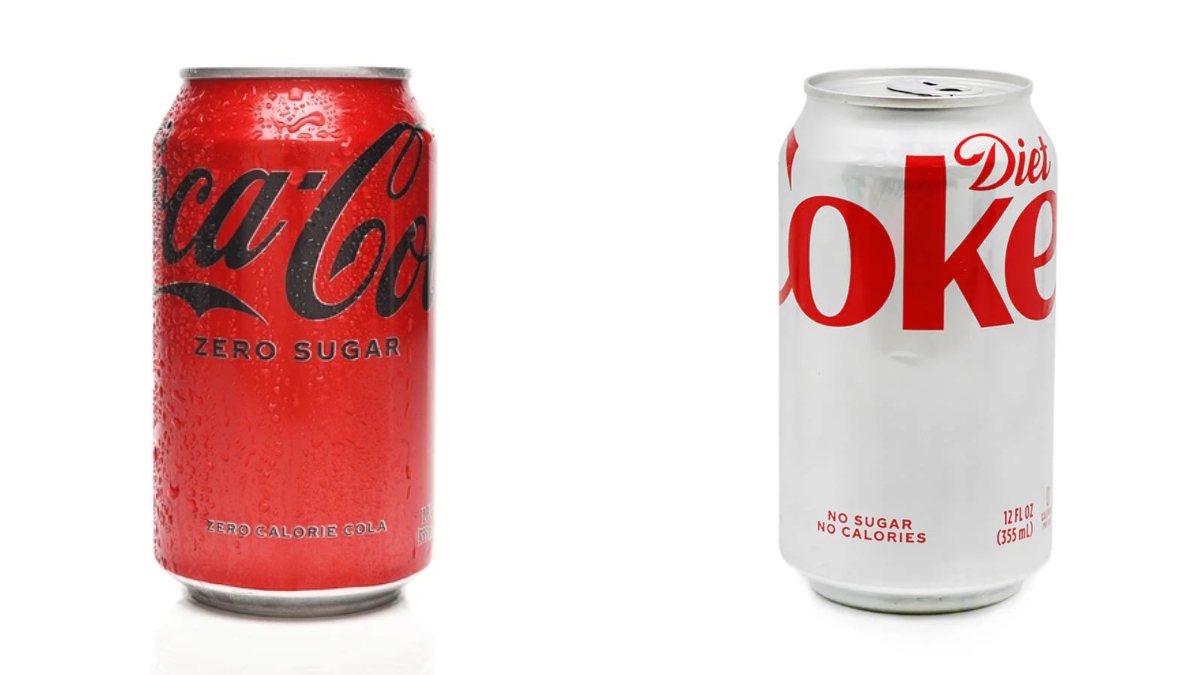
Credit: www.indiatvnews.com
Flavor Profile
When choosing between Diet Coke and Coke Zero Sugar, flavor plays a big role. Both offer distinct taste experiences despite being sugar-free. Understanding these differences helps you decide which suits your palate.
Taste Comparison
Diet Coke has a lighter taste. It has a slightly citrusy flavor. Some describe it as crisp and refreshing. Coke Zero Sugar tries to mimic regular Coke’s taste. It offers a richer, bold flavor. This is due to its specific blend of artificial sweeteners.
Consumer Preferences
Diet Coke appeals to those who enjoy a lighter soda. Its unique taste is preferred by many long-time fans. Coke Zero Sugar attracts those who want a sugar-free soda. It resembles the original Coca-Cola flavor more closely.
Preferences vary based on individual taste buds. Some consumers favor the familiarity of Diet Coke. Others prefer the deep flavor of Coke Zero Sugar. Both products have loyal followings.
Ingredients Breakdown
Diet Coke and Coke Zero Sugar differ in their sweeteners. Diet Coke uses aspartame, while Coke Zero Sugar combines aspartame and acesulfame potassium for a flavor closer to the original Coke. Both options are sugar-free, catering to those seeking low-calorie alternatives.
Understanding the ingredients in your favorite soft drinks can be enlightening and sometimes surprising. Whether you prefer Diet Coke or Coke Zero Sugar, knowing what goes into these beverages can help you make informed choices. Let’s break down the ingredients to see what sets these two popular drinks apart.Artificial Sweeteners Used
Both Diet Coke and Coke Zero Sugar use artificial sweeteners to provide that familiar sweet taste without the calories of regular sugar. Diet Coke uses aspartame, a well-known sweetener that’s been around for decades. Coke Zero Sugar, on the other hand, combines aspartame and acesulfame potassium (often referred to as Ace-K). This combination is intended to mimic the taste of regular Coca-Cola more closely. Have you ever noticed a slight difference in taste between the two? The blend of sweeteners could be the reason. Does this make you rethink your choice?Other Key Ingredients
Besides sweeteners, these drinks contain some familiar ingredients. Both beverages include carbonated water, caramel color, phosphoric acid, and natural flavors. These are standard in providing the classic cola taste and look. However, there’s a slight difference in the acid used. Diet Coke includes citric acid, while Coke Zero Sugar opts for sodium citrate. This can subtly affect the flavor profile and experience. Do you have a preference for the tang of citric acid or the smoothness sodium citrate can offer? Next time you sip, think about how these ingredients might influence what you’re tasting. Knowing the ingredients gives you a deeper appreciation of what you’re sipping. Will this knowledge change your choice next time you’re at the store?
Credit: www.reddit.com
Nutritional Information
Diet Coke and Coke Zero Sugar are popular choices for those seeking low-calorie options. Many wonder about their nutritional differences. Understanding these differences can help make informed choices. Dive into calorie, sugar, and sodium details below.
Calorie Content
Both Diet Coke and Coke Zero Sugar contain zero calories. They are ideal for calorie-conscious individuals. Choosing between them won’t affect your calorie intake.
Sugar And Sodium Levels
Neither drink contains sugar, making them suitable for sugar-free diets. They use artificial sweeteners to provide flavor without sugar. Sodium levels are slightly different. Diet Coke has 40 mg of sodium per serving. Coke Zero Sugar contains 35 mg of sodium per serving. This small difference may matter to those monitoring sodium intake.
Marketing Strategies
Diet Coke and Coke Zero Sugar differ in taste and ingredients. Diet Coke has a unique blend of flavors. Coke Zero Sugar aims to mimic the classic Coke taste without sugar. Both offer lower-calorie options compared to regular Coca-Cola.
Marketing strategies play a crucial role in differentiating Diet Coke from Coke Zero Sugar. Both drinks cater to those seeking low-calorie soda options, but their marketing tactics vary significantly. Understanding these differences can help you choose which fits your lifestyle better. Let’s dive into the distinct strategies each brand uses to capture your attention.Target Demographics
Diet Coke often appeals to individuals who have been loyal fans for decades. Many of its drinkers remember the time when Diet Coke was one of the few low-calorie sodas available. This nostalgic connection is a powerful tool in its marketing arsenal. Coke Zero Sugar, on the other hand, targets a younger crowd. It aims to attract millennials and Gen Z who are more health-conscious and savvy about sugar consumption. This demographic is also interested in new experiences and options, making Coke Zero Sugar’s modern branding appealing to them.Advertising Campaigns
Diet Coke’s advertising campaigns frequently focus on simplicity and familiarity. You might have seen ads that highlight the idea of staying true to oneself while enjoying a classic taste. This approach resonates with long-time fans who appreciate consistency in their choices. Coke Zero Sugar takes a different route with its campaigns. They often emphasize boldness and innovation, encouraging you to try something new and exciting. Ads might showcase vibrant visuals and energetic music, creating an aura of freshness and adventure. Have you ever noticed how these campaigns influence your perception of each drink? The next time you see an ad, consider which message speaks to you more. This insight might just sway your next soda selection.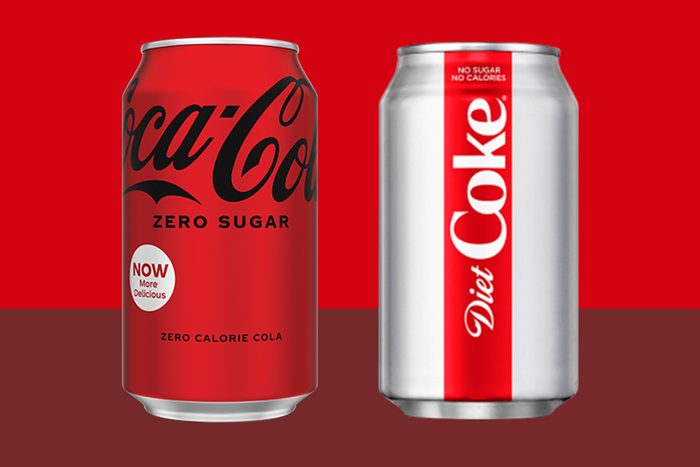
Credit: www.tasteofhome.com
Health Considerations
Choosing between Diet Coke and Coke Zero Sugar often leads to questions about health. Both promise the taste of Coke without the sugar. But their impact on health can vary. Let’s explore the potential benefits and concerns of these popular drinks.
Potential Benefits
Both Diet Coke and Coke Zero Sugar offer sugar-free alternatives to regular Coke. This helps those who need to cut sugar intake. For people watching their weight, these drinks can be a low-calorie option. They provide a fizzy, sweet taste without added sugar. This can satisfy cravings without the extra calories.
Some studies suggest that these drinks may not spike blood sugar levels. This might be a perk for people with diabetes or insulin resistance. Drinking them could help manage blood sugar better than regular sugary sodas.
Concerns And Criticisms
There are some concerns about artificial sweeteners used in these drinks. Some people worry about their long-term effects on health. Research on artificial sweeteners shows mixed results. Some studies link them to weight gain and metabolic issues. Other studies find no such link.
Another criticism is the potential impact on taste preferences. Some believe these drinks may increase a desire for sweetness. This might lead to more sugar consumption in other foods. Critics also point to the risk of overconsumption. People might drink more, thinking these are healthier options.
Lastly, there is the concern of dental health. Acid in these drinks can harm tooth enamel over time. This is a concern for frequent drinkers. Like all things, moderation is key.
Consumer Impact
Diet Coke and Coke Zero Sugar both have zero calories, but differ slightly in taste due to their sweeteners. Diet Coke uses aspartame, while Coke Zero Sugar combines aspartame and acesulfame potassium for a flavor closer to regular Coke. Each offers unique options for sugar-free soda enthusiasts.
Consumer Impact When you reach for a can of Diet Coke or Coke Zero Sugar, have you ever paused to consider how these choices impact your daily life? Both drinks offer a sugar-free experience, but the subtle differences may influence your preference more than you think. Let’s explore how these options affect consumers like you on a deeper level.Sales Performance
Sales data reveals intriguing insights into consumer preferences. Diet Coke, a classic since the 1980s, has enjoyed a loyal following for decades. However, the launch of Coke Zero Sugar brought a fresh contender to the market, appealing especially to those seeking a taste closer to the original Coca-Cola. Coke Zero Sugar has seen a significant rise in popularity, sometimes even outpacing Diet Coke in certain regions. This shift suggests a changing consumer mindset, one that values taste replication without the sugar. What does this mean for your next shopping trip? It might be time to revisit your go-to sugar-free soda choice.Market Trends
The beverage market is constantly evolving, and consumer preferences are at the heart of these changes. With increasing awareness about health and sugar intake, more people are seeking alternatives that don’t compromise on flavor. This shift has led to an expanding market for sugar-free sodas. In recent years, we’ve seen a surge in new flavors and marketing strategies aimed at younger audiences. Have you noticed the colorful advertisements or limited-edition flavors? These innovations suggest a broader trend towards personalization and variety in consumer choices. As a consumer, your preferences contribute to these market trends. Do you find yourself gravitating towards new flavors or sticking with the classics? Understanding these trends can help you make informed choices that align with your taste and lifestyle.Frequently Asked Questions
What Is The Main Difference Between Diet Coke And Coke Zero Sugar?
Diet Coke and Coke Zero Sugar differ mainly in taste and formulation. Diet Coke has a unique blend of flavors, while Coke Zero Sugar is designed to taste more like regular Coca-Cola. Both drinks are sugar-free and use artificial sweeteners, but they target different taste preferences.
Do Diet Coke And Coke Zero Contain The Same Ingredients?
No, Diet Coke and Coke Zero Sugar have different formulations. Diet Coke uses aspartame as its primary sweetener. Coke Zero Sugar uses a blend of aspartame and acesulfame potassium. These variations contribute to their distinct flavors, catering to different taste preferences among consumers.
Which Is Healthier: Diet Coke Or Coke Zero Sugar?
Both Diet Coke and Coke Zero Sugar are calorie-free and sugar-free. They use artificial sweeteners, making them similar in health aspects. The choice between them often depends on personal taste preference rather than health differences. Neither option contains sugar, making them suitable for those reducing sugar intake.
Can You Taste A Difference Between The Two?
Yes, there is a taste difference between Diet Coke and Coke Zero Sugar. Diet Coke has a lighter, more citrusy flavor. Coke Zero Sugar is designed to mimic the taste of regular Coca-Cola more closely. Individual taste preferences will determine which one you find more appealing.
Conclusion
Diet Coke and Coke Zero Sugar both offer no-calorie options. Yet, they differ in taste and ingredients. Diet Coke has a distinct flavor. Coke Zero Sugar aims to taste like regular Coke. Both suit different preferences. Some people prefer Diet Coke’s unique taste.
Others enjoy Coke Zero’s similarity to classic Coke. Choose based on your flavor preference. Both provide a refreshing choice without calories. Understanding these differences helps make an informed decision. Enjoy your favorite cola without the guilt. Explore both and decide which suits your taste best.