Have you ever wondered where your meat really comes from? What if the food on your plate could be both delicious and kind to animals and the planet?
Ethically raised meat offers you a way to enjoy your meals without guilt. It’s about choosing meat that’s grown with care, respect, and responsibility. You’ll discover why ethically raised meat matters and how it can make a difference in your health, the environment, and animal welfare.
Keep reading—you’ll find out how your choices can create a better future for everyone.
The Rise Of Ethically Raised Meat
The rise of ethically raised meat is changing how many people think about their food. More consumers want to know where their meat comes from and how animals are treated. This shift shows a growing awareness of animal welfare, environmental impact, and health benefits.
Choosing ethically raised meat means supporting farms that prioritize humane treatment. It also means eating food that is often fresher and more nutritious. But what’s driving this change in habits, and how can you join the movement?
The Growing Demand For Transparency
People want clear information about how their meat is produced. Labels like “grass-fed,” “free-range,” and “organic” have become important. They give you clues about the animal’s living conditions and diet.
This transparency helps build trust between you and the producer. It also encourages farms to maintain higher standards. When you buy ethically raised meat, you’re voting with your wallet for better practices.
Environmental Benefits That Matter
Ethically raised meat often means less harm to the planet. Farms that focus on animal welfare tend to use sustainable methods. They avoid overcrowding and reduce pollution, which helps protect soil and water.
Have you ever considered how your food choices affect the environment? Eating ethically raised meat can lower your carbon footprint and support healthier ecosystems. It’s a small step with a big impact.
Health Advantages You Can Taste
Meat from animals raised in natural conditions usually contains fewer antibiotics and hormones. It can also be richer in nutrients like omega-3 fatty acids. This means you get cleaner, healthier food on your plate.
When I switched to ethically raised meat, I noticed a difference in flavor and how I felt afterward. Could changing your meat source improve your health too? It’s worth trying to find out.
Supporting Local And Small-scale Farmers
Ethically raised meat often comes from smaller farms focused on quality over quantity. Supporting these farms helps local economies and preserves traditional farming methods. You connect directly with producers who care about their animals.
- Ask questions about farming practices at your local market.
- Look for farms that allow animals to graze naturally.
- Choose meat that reflects your values on animal welfare and sustainability.
How might your choices strengthen your community and environment? Buying ethically raised meat can be a meaningful way to make a difference every day.
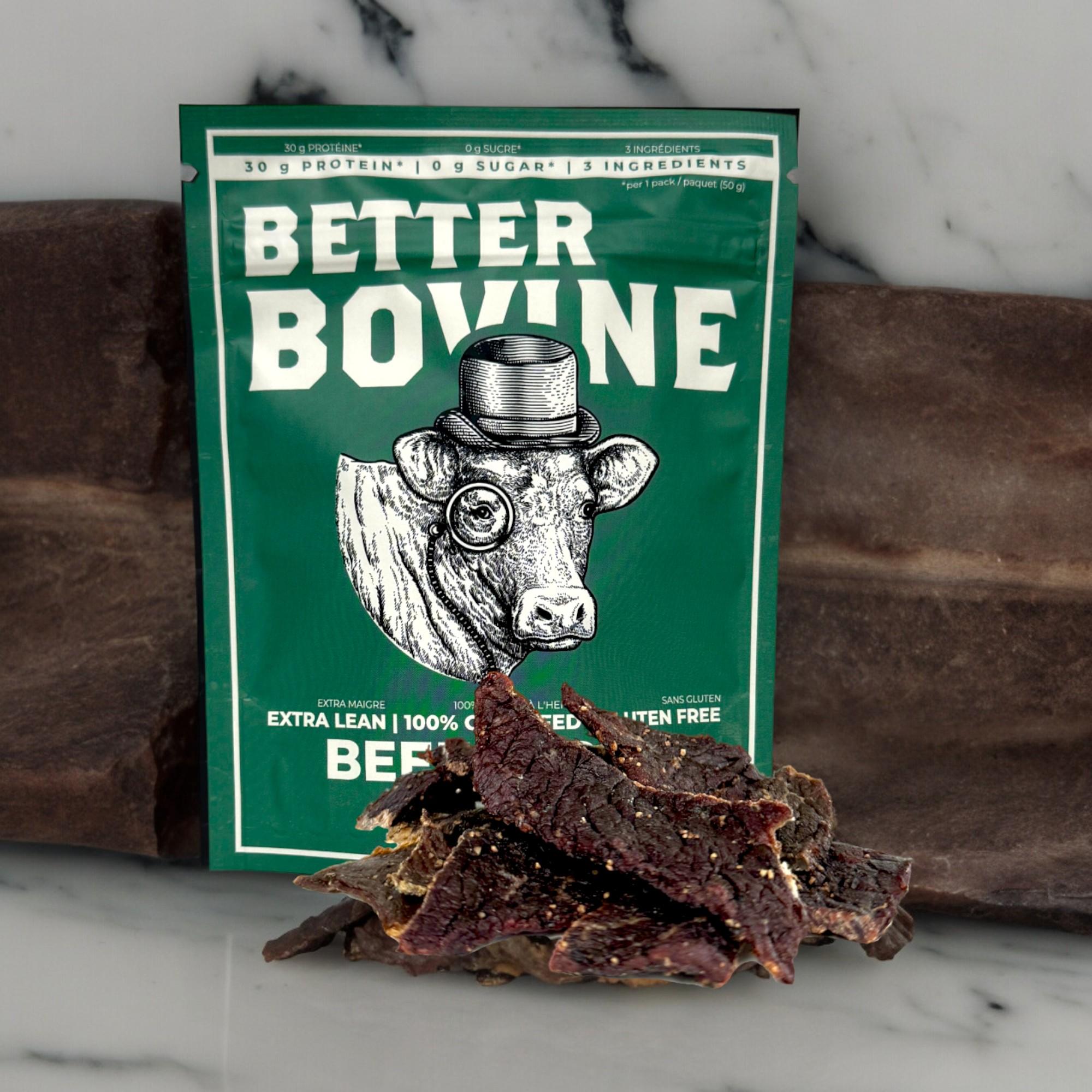
Credit: northernraised.ca
Defining Ethical Meat Production
Ethical meat production means more than just choosing meat from a farm. It involves a commitment to respecting animals, protecting the environment, and supporting sustainable practices. Understanding what ethical meat truly means helps you make choices that align with your values and promote a better future.
Animal Welfare Standards
Ethical meat starts with how animals are treated. Farms that prioritize animal welfare provide enough space, proper nutrition, and access to the outdoors. This approach reduces stress and suffering, leading to healthier animals and better-quality meat.
Have you ever thought about where your meat comes from and how the animals lived? Knowing that the animals were raised with care can change your perspective on eating meat. It’s about more than just food—it’s about respect for life.
Environmental Impact Considerations
Ethical meat production also takes the environment seriously. It includes practices that reduce pollution, conserve water, and maintain soil health. This way, farms can keep producing food without damaging the planet.
For example, some farms rotate grazing areas to avoid overuse of land. Others use renewable energy to reduce their carbon footprint. What steps can you take to support meat that helps rather than harms the environment?
Benefits Of Choosing Ethical Meat
Choosing ethically raised meat offers many benefits beyond taste. It supports better health, helps local farmers, and protects the environment. These advantages make ethical meat a smart choice for many families.
Health Advantages
Ethically raised meat often contains fewer chemicals and additives. Animals get natural food and live stress-free lives. This leads to meat with better nutrients and fewer antibiotics. Eating such meat can support a stronger immune system and better overall health.
Support For Local Farmers
Buying ethical meat helps small local farmers stay in business. These farmers use humane and traditional methods. They care about animal welfare and quality. Supporting them keeps farming communities alive and boosts local economies.
Environmental Sustainability
Ethical meat farming uses less harmful practices. It promotes soil health, clean water, and biodiversity. Animals graze naturally, which reduces pollution and carbon footprints. Choosing ethical meat helps protect the planet for future generations.
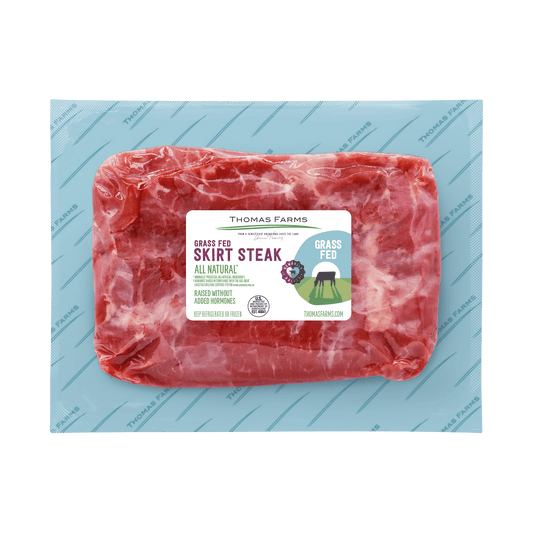
Credit: thomasfarms.com
Challenges In Ethical Meat Production
Ethical meat production aims to treat animals with care and respect. It involves raising animals in natural conditions without cruelty. Despite its benefits, ethical meat production faces many challenges. These challenges affect farmers, consumers, and the industry. Understanding these issues helps people make better choices about the meat they eat.
Cost Implications
Ethically raised meat often costs more to produce. Farmers spend more on better feed and living conditions. These practices require more land and time. Small farms struggle to compete with large, conventional operations. Higher costs usually mean higher prices for consumers. This price difference can limit demand for ethical meat.
Regulatory Hurdles
Rules and laws can be tough for ethical meat producers. Regulations differ by region and can be complex. Meeting health and safety standards takes time and money. Some rules favor large producers over small farms. This makes it hard for ethical farms to grow. Getting certifications for humane treatment is also difficult.
Consumer Awareness
Many consumers do not know about ethical meat benefits. Lack of clear information causes confusion. People often choose cheaper meat without thinking about ethics. Marketing by conventional meat industries can mislead buyers. Education is key to increasing demand for ethical meat. Consumers need simple facts to make informed choices.
Certifications And Labels To Look For
Choosing ethically raised meat can feel overwhelming with so many labels and certifications out there. Knowing which ones truly reflect humane and sustainable practices helps you make better choices. These labels act as a guide, showing you where the animal came from and how it was treated.
Organic And Free-range
Organiccertification means the meat comes from animals raised without synthetic pesticides, hormones, or antibiotics. These animals also eat organic feed, which reduces harmful chemicals in your food and the environment.
Free-range indicates that animals have some access to the outdoors. However, the amount of outdoor time can vary, so it’s important to check the specific standards behind the label. Have you ever wondered if “free-range” really means animals roam freely or just step outside briefly?
Grass-fed And Pasture-raised
Grass-fed meat comes from animals that eat mostly grass throughout their lives, which often leads to leaner and more nutrient-rich meat. Pasture-raised goes a step further by ensuring animals spend significant time grazing outside in natural settings.
These labels suggest better animal welfare and environmental benefits, but they are not always regulated. Look for third-party verification to confirm these claims. What difference would it make to your health and the planet if you chose pasture-raised over conventional meat?
Certified Humane
This certification focuses on animal welfare, ensuring animals are treated with respect and provided with comfortable living conditions. It covers everything from space requirements to how animals are handled during transport and slaughter.
Certified Humane is a trusted label backed by strict audits. When you see it, you can feel confident that the meat you buy supports better treatment of animals. Would you be willing to pay a bit more to support farms that meet these humane standards?
Impact On Global Meat Industry
The rise of ethically raised meat is reshaping the global meat industry. This shift affects how meat is produced, sold, and consumed worldwide. Companies and consumers now focus more on animal welfare and sustainable farming. The impact spreads across markets and supply chains, influencing industry standards and practices.
Shifts In Consumer Demand
Consumers want meat from animals treated with care. They seek products free from harmful chemicals and crowded farms. This demand pushes stores to offer more ethically raised options. People choose quality and ethics over price. Younger buyers especially prefer brands that show transparency.
- Increased interest in organic and grass-fed meat
- Growing concern for animal welfare
- Preference for local and small-scale producers
These changes make producers rethink their methods. Ethical meat becomes a selling point. The market grows as more buyers join the trend.
Adoption By Major Producers
Large meat companies adopt ethical practices to meet demand. They invest in better living conditions for animals. Some shift to pasture-raised or antibiotic-free meats. This creates competition to raise standards industry-wide.
| Producer | Ethical Practice | Impact |
|---|---|---|
| Company A | Pasture-raised cattle | Improved animal health and product quality |
| Company B | Antibiotic-free poultry | Reduced drug resistance risk |
| Company C | Certified humane farms | Higher consumer trust and loyalty |
The industry sees a gradual move towards ethical standards. This benefits animals, consumers, and the environment.
How To Make Sustainable Choices
Choosing ethically raised meat means making smart, sustainable decisions. These choices help the planet, animals, and local communities. Small changes in buying habits create big effects. Understanding how to pick the right products leads to better outcomes for everyone.
Reading Labels And Certifications
Labels and certifications reveal important details about meat products. Look for terms like “grass-fed,” “free-range,” or “organic.” These words show better animal care and farming practices. Certified labels, such as USDA Organic or Animal Welfare Approved, ensure higher standards.
Check packaging for symbols from trusted organizations. These marks confirm ethical and sustainable farming. Reading labels carefully helps avoid products from factory farms. It guides you to meat raised with respect and care.
Supporting Local And Small-scale Farms
Buying from local farms supports communities and reduces environmental impact. Small-scale farms often use gentler farming methods. They focus on animal welfare and soil health. Shopping at farmers’ markets or farm shops connects you directly to producers.
Local farms use less transportation, cutting down carbon emissions. They often provide fresher, higher-quality meat. Supporting them helps keep traditional, sustainable farming alive. It builds trust and transparency between buyers and farmers.
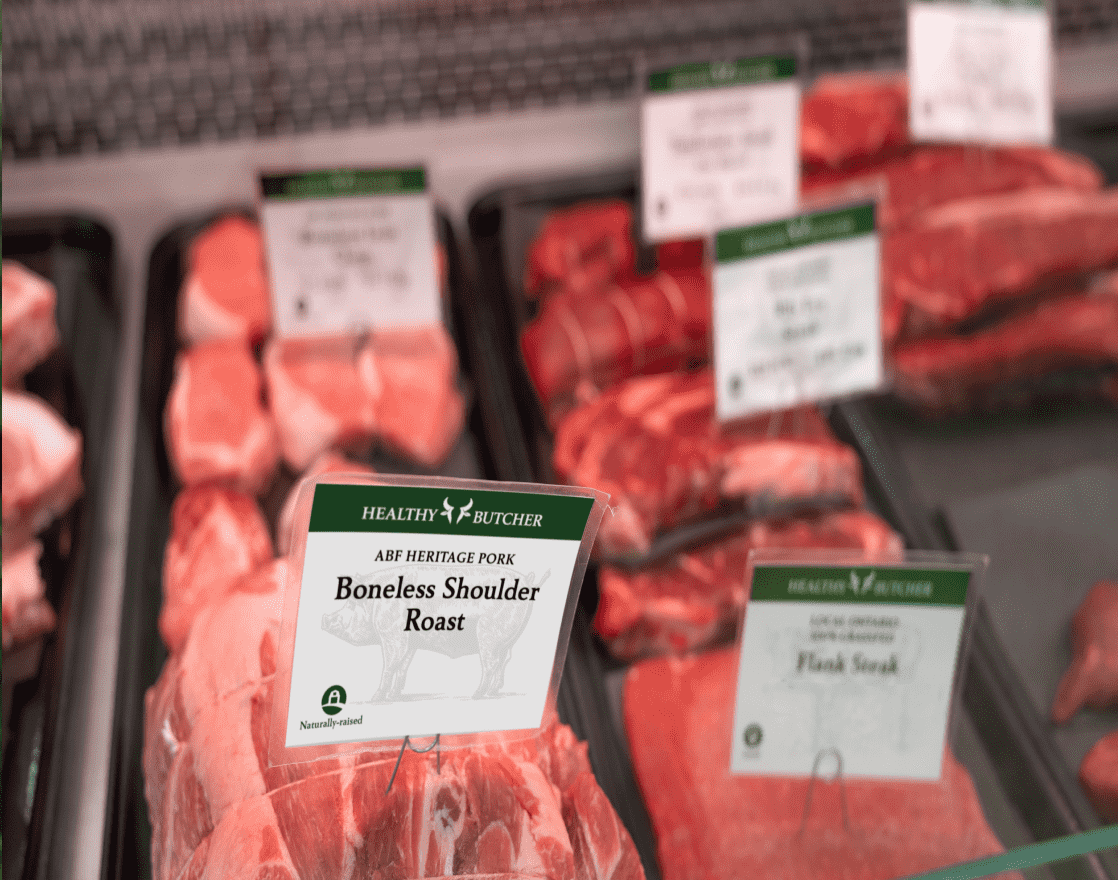
Credit: www.mamaearth.ca
Frequently Asked Questions
What Is Ethically Raised Meat?
Ethically raised meat comes from animals treated humanely. They receive proper space, food, and care. This practice avoids cruelty and supports sustainable farming. It ensures higher animal welfare and environmental responsibility. Consumers get healthier, more natural meat products.
How Does Ethically Raised Meat Benefit Health?
Ethically raised meat is often free from harmful chemicals. Animals are not given unnecessary antibiotics or hormones. This reduces health risks for consumers. The meat tends to have better nutrient profiles. It supports a cleaner, more natural diet.
Why Choose Ethically Raised Meat Over Conventional Meat?
Ethically raised meat promotes animal welfare and sustainability. It reduces environmental damage like pollution and overuse of resources. The farming practices are transparent and responsible. Choosing it supports farmers committed to ethical standards. It often results in better taste and quality.
Is Ethically Raised Meat More Expensive?
Ethically raised meat can cost more due to higher farming standards. Farmers invest in better animal care and sustainable methods. This increases production costs but ensures quality and ethics. Many consumers find the price worth the benefits.
Conclusion
Choosing ethically raised meat supports animal welfare and the environment. It means animals live healthier, happier lives. You also help reduce pollution and protect natural resources. Ethical meat often tastes better and feels right to eat. Small changes in your shopping can make a big impact.
Think about the food on your plate and its journey. Every choice matters in building a kinder, cleaner world. Ethical meat is a step toward better eating habits. Simple, thoughtful decisions lead to lasting benefits for all.