Are you curious about whether you can indulge in a little sweetness while following the Paleo Diet? If so, you’re not alone.
Many people wonder if honey, nature’s golden nectar, fits into this prehistoric eating plan. As you strive to eat like our ancestors and embrace foods that nourish your body naturally, understanding where honey stands in the Paleo world can be crucial.
This blog post will unravel the mystery and explore whether honey can be a part of your Paleo lifestyle. So, before you dip your spoon into that jar of honey, read on to discover if this sweet delight aligns with your dietary goals.
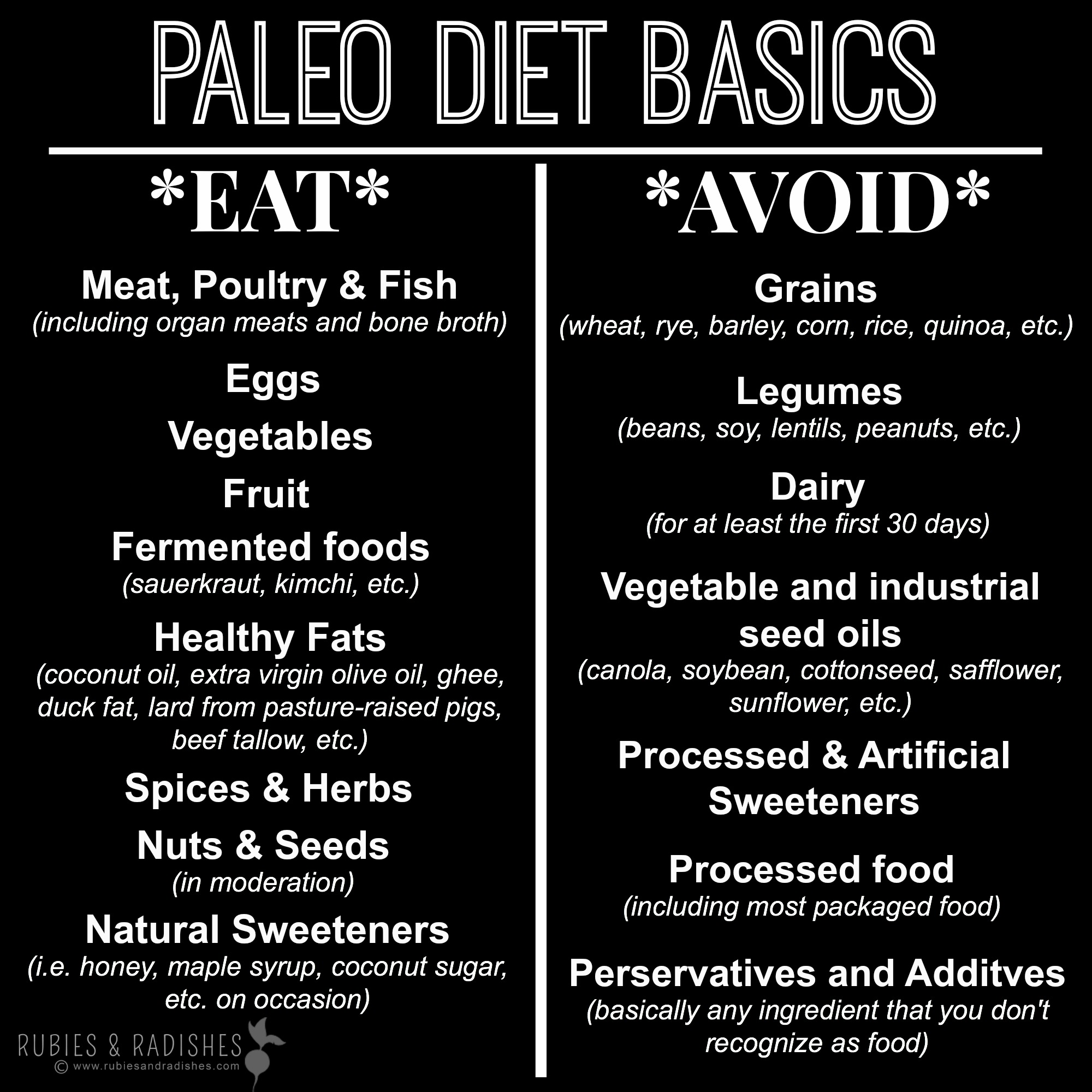
Paleo Diet Basics
Many wonder if honey fits into the Paleo diet. Honey, a natural sweetener, is often considered Paleo-friendly. Consumed in moderation, it aligns with the diet’s focus on unprocessed foods.
Understanding the basics of the Paleo diet can be a game-changer for those looking to align their eating habits with our ancestors. At its core, the Paleo diet emphasizes whole foods that were accessible to early humans. This means saying goodbye to processed foods and hello to natural, nutrient-rich options.Core Principles
The primary principle of the Paleo diet is to eat like our Paleolithic ancestors. This translates to consuming foods that can be hunted or gathered. Think meat, fish, fruits, vegetables, nuts, and seeds. Grains, legumes, and processed sugars are typically off the table. The idea is to eat foods that your body can digest easily and provide maximum nutritional benefits. But here’s an interesting question: If something is natural and unprocessed, does it automatically fit into the Paleo diet? This is where honey often comes into the discussion.Historical Context
Historically, our ancestors didn’t have access to refined sugars, but they might have stumbled upon wild honeycombs. Honey was a rare treat, not a staple, but it was definitely a natural sweetener they could have consumed. In your own life, you might have experienced that moment of delight when discovering a new, natural food source. Imagine the thrill of an early human finding a honeycomb. Does this mean honey deserves a spot in your Paleo pantry? It depends on how strictly you interpret the diet’s rules.Modern Interpretations
Today’s Paleo enthusiasts often debate the place of honey in the diet. Some argue that since it’s natural and unprocessed, it should be included. Others believe it should be used sparingly due to its high sugar content. In practice, many people on the Paleo diet choose to use honey as an occasional sweetener. They might drizzle it over a bowl of nuts or use it in a marinade for grilled meats. Ultimately, the decision is personal. Consider your health goals and how your body reacts to sugars. How do you balance the desire for sweet flavors with the principles of a Paleo lifestyle? Taking a flexible approach can help you maintain the diet while enjoying the small pleasures that natural foods can provide.Role Of Sweeteners In Paleo
Honey often fits into the Paleo diet as a natural sweetener. It offers a touch of sweetness while keeping with ancient dietary practices. Many Paleo enthusiasts use honey sparingly to enhance flavors without processed sugars.
The Paleo Diet often evokes images of cavemen feasting on meat and vegetables, but sweeteners play a subtle yet crucial role. While the diet emphasizes whole foods, there’s an ongoing debate about what types of sweeteners fit the Paleo lifestyle. Honey often emerges as a point of contention, leading many to question its place on this ancestral diet.Natural Vs. Artificial
The Paleo Diet encourages natural options over artificial ones. Honey, a natural sweetener, is often favored because it comes directly from bees without industrial processing. In contrast, artificial sweeteners like aspartame and sucralose are synthetic and typically frowned upon in Paleo circles. During a trip to a local farmer’s market, I discovered raw honey from a beekeeper who explained how his bees forage on wildflowers. This experience highlighted the importance of sourcing natural ingredients, a core principle of Paleo. Have you ever compared the taste of raw honey to its processed counterparts?Health Implications
Natural sweeteners like honey offer health benefits that artificial ones can’t match. Honey contains antioxidants and has anti-inflammatory properties, which contribute to overall well-being. Conversely, artificial sweeteners may be linked to various health concerns, such as metabolic issues and gut health disturbances. A friend recently switched from using sugar substitutes to honey in her morning tea. She noticed not only a difference in taste but also felt less bloated throughout the day. Could this small change make a big difference in your health journey? The role of sweeteners in the Paleo Diet is more than just about taste; it’s about making choices that align with a holistic approach to health. Whether you embrace honey or avoid all sweeteners entirely, the key is understanding the impact these choices have on your body and lifestyle.Nutritional Profile Of Honey
Honey is a staple in many kitchens. Its sweet taste enhances various dishes. When examining the Paleo diet, the role of honey becomes interesting. This diet focuses on natural, unprocessed foods. Honey fits this criterion, but knowing its nutritional profile is crucial. Understanding what honey offers can help make informed dietary choices.
Caloric Content
Honey is rich in calories. One tablespoon has about 64 calories. These calories come from carbohydrates. Natural sugars like fructose and glucose are present. These sugars provide quick energy. For those following the Paleo diet, honey offers a natural energy boost.
Vitamins And Minerals
Honey contains trace amounts of vitamins and minerals. It includes small amounts of vitamin C, calcium, and iron. These nutrients support various body functions. They help maintain health and vitality. While honey isn’t a major source, it adds nutritional value.
Credit: www.upandalive.com
Honey’s Place In Paleo
Honey fits into the Paleo diet as a natural sweetener with roots in ancient food practices. Its inclusion depends on moderation and individual dietary goals. Many Paleo followers enjoy honey for its unprocessed nature and potential health benefits.
The Paleo diet, often called the “caveman diet,” is all about eating foods that our ancestors might have eaten. This means focusing on whole, unprocessed foods like meat, fish, vegetables, and nuts. But where does honey fit into this picture? Is it a sweet treat that aligns with Paleo principles, or does it stray too far from the diet’s core values? Let’s delve into honey’s place in the Paleo world.Arguments For Inclusion
Honey is a natural sweetener. It’s been used for thousands of years, even by our ancient ancestors. This historical use makes a strong case for its inclusion in the Paleo diet. Nutritionally, honey offers more than just sweetness. It contains antioxidants, enzymes, and trace nutrients. These components can provide health benefits that go beyond empty calories found in refined sugars. Some Paleo enthusiasts argue for balance. Occasional honey consumption can satisfy sweet cravings without breaking Paleo rules. Are you using honey as a rare treat rather than a staple?Arguments Against Inclusion
Critics of honey in the Paleo diet highlight its sugar content. Honey, while natural, is still high in fructose and glucose. Regular consumption can spike blood sugar levels, contradicting the diet’s emphasis on stable energy. The Paleo diet is about mimicking ancient eating habits, but not all ancient foods are ideal today. Honey was a rare find for early humans. Its modern availability might lead to overconsumption, which doesn’t align with the diet’s intent. Some argue that honey could derail weight loss goals. If your primary focus is reducing sugar intake, even natural sugars can be a slippery slope. Does honey fit into your personal health objectives? Incorporating honey into your Paleo diet involves weighing these arguments. How does it align with your goals and lifestyle? Engaging with these questions helps you make informed decisions about your diet.Comparing Honey To Other Sweeteners
Sweeteners play a crucial role in the Paleo diet. Honey is often chosen for its natural properties and health benefits. But how does it compare to other sweeteners? Let’s examine maple syrup, coconut sugar, and agave nectar.
Maple Syrup
Maple syrup comes from the sap of maple trees. It’s a natural sweetener with a rich flavor. Unlike honey, it contains fewer vitamins but offers minerals like manganese and zinc. It’s lower in calories than honey. Maple syrup provides a sweet taste without overpowering dishes.
Coconut Sugar
Coconut sugar is made from coconut palm sap. It has a low glycemic index. This means it affects blood sugar less than honey. It contains iron, zinc, and potassium. Coconut sugar is less processed than refined sugars. Its taste is similar to brown sugar, adding depth to recipes.
Agave Nectar
Agave nectar originates from the agave plant. It’s sweeter than honey but has fewer calories. Agave has a low glycemic index, which is beneficial for blood sugar control. It has a mild taste, making it suitable for various dishes. Some prefer agave for its smooth texture.
Credit: theprimitivedish.com
Health Benefits Of Honey
Honey offers natural sweetness and health perks, fitting well within the Paleo diet. Rich in antioxidants and vitamins, it supports immunity and digestion. Honey’s nutritional benefits make it a favored choice among Paleo enthusiasts seeking a natural, unprocessed sweetener.
When you think about adding something sweet to your Paleo diet, honey might just be the perfect choice. Not only is it a natural sweetener, but it also brings a range of health benefits to the table. Have you ever wondered why honey has been cherished for centuries, not just for its taste but for its health properties? Let’s explore the health benefits of honey, and how it fits seamlessly into your Paleo lifestyle.Antioxidant Properties
Honey is rich in antioxidants, which are compounds that can prevent or slow damage to cells caused by free radicals. Regular consumption of honey can support your body’s defense system. For example, antioxidants like flavonoids and phenolic acids in honey have been linked to reduced risk of chronic diseases. Including honey in your diet could be a simple way to boost your antioxidant intake. Think about the last time you felt sluggish or under the weather. Could a spoonful of honey have helped support your immune system? It’s worth considering next time you’re looking for a natural health booster.Antimicrobial Effects
Honey’s antimicrobial properties are another reason to keep it in your pantry. It has been used for centuries to treat wounds and infections due to its ability to inhibit the growth of bacteria. Imagine using a natural product like honey instead of a chemical-laden ointment for minor cuts or burns. Isn’t it fascinating how nature provides us with such potent remedies? Additionally, some people find that consuming honey helps soothe a sore throat. Next time you feel a tickle in your throat, a cup of warm tea with honey might just do the trick. Could this natural remedy save you a trip to the pharmacy? Incorporating honey into your Paleo diet not only satisfies your sweet tooth but also supports your health in meaningful ways. How can you make honey a regular part of your Paleo journey?Potential Drawbacks Of Honey
Exploring honey’s role in the Paleo diet reveals potential drawbacks. It can spike blood sugar levels due to its high fructose content. Its sweetness might encourage overeating, impacting weight management.
Honey often appears in discussions about the Paleo diet. It is natural and unprocessed. Yet, not everyone should consume it freely. It has potential drawbacks. Some people overlook these when embracing honey.High Sugar Content
Honey contains high levels of sugar. Each tablespoon has about 17 grams. It can raise blood sugar quickly. This is not ideal for people watching their sugar intake. Consuming too much can lead to weight gain. It might also increase the risk of diabetes. Balancing honey intake is essential. Moderation helps maintain health.Allergic Reactions
Some people may be allergic to honey. It can cause reactions. These include itching, swelling, or rashes. In severe cases, it might lead to anaphylaxis. This is a serious allergic reaction. People with pollen allergies should be cautious. Honey contains traces of pollen. Always consult a doctor if unsure. Checking labels can prevent unexpected reactions. `Practical Tips For Using Honey
Is honey on the Paleo diet? Yes, it is. This natural sweetener is unprocessed and aligns with Paleo principles. Use it sparingly to sweeten tea or drizzle over fruits. Perfect for those embracing a primal lifestyle.
Practical tips can help you use honey effectively on the Paleo diet. Honey offers natural sweetness, making it a popular choice. It enhances flavors in many Paleo dishes. Knowing how to use honey wisely can benefit your diet.Recipes And Ideas
Try drizzling honey over roasted sweet potatoes for a tasty treat. You can also add a spoonful to your morning smoothie. Honey can sweeten your Paleo-friendly salad dressings. Mix it with olive oil and lemon juice for a fresh taste. Use honey in marinades for meats like chicken or pork. It helps create a caramelized crust when cooked. For a simple dessert, combine honey with nuts and seeds. This mixture makes a satisfying, crunchy snack.Moderation Guidelines
Use honey sparingly to maintain balance in your diet. Excessive sweetness can lead to cravings. Aim to use honey as an occasional treat. Monitor your honey intake if you are watching your sugar levels. One tablespoon a day is a reasonable amount. Always choose raw honey for the most benefits. Processed honey may lose its natural nutrients. Remember, honey is still sugar, so consume it mindfully.Expert Opinions
Honey’s inclusion in the Paleo diet sparks diverse opinions from experts. Some argue its natural roots align with Paleo principles. Others suggest moderation due to its sugar content.
When considering whether honey fits into the Paleo diet, experts often share differing opinions. Some praise its natural origins, while others caution against its sugar content. Let’s dive into what experts have to say about honey on the Paleo diet.Nutritionists’ Views
Many nutritionists acknowledge honey as a natural sweetener, but they often raise concerns about its high sugar content. Honey, while less processed than table sugar, still affects your blood sugar levels. Nutritionists recommend moderation, urging you to balance honey with other nutrient-rich foods. Despite its natural allure, honey can be a double-edged sword. It’s rich in antioxidants and has antibacterial properties, which can be beneficial. However, these benefits do not outweigh the risks of excessive sugar consumption. Have you ever used honey to sweeten your tea, thinking it’s a healthier choice? Many do, but nutritionists remind us that it should still be a treat rather than a staple.Paleo Advocates’ Perspectives
Paleo advocates often embrace honey, seeing it as a natural fit within the diet’s framework. They argue that honey, being unprocessed and available to our ancestors, aligns with Paleo principles. This perspective, however, emphasizes quality over quantity. For those who follow the Paleo lifestyle, honey is more than just a sweetener; it’s a connection to the past. By choosing raw, organic honey, Paleo followers believe they are making a choice that’s as close to nature as possible. One Paleo enthusiast shared their experience of using honey as a pre-workout energy boost. They found it provided quick energy without the crash that comes from processed sugars. Could this be a practical solution for your energy needs? Balancing these expert opinions can be challenging. Do you prioritize natural sources over sugar content, or vice versa? Your personal health goals and dietary preferences will guide your choice.
Credit: www.honeysolutions.com
Frequently Asked Questions
Is Peanut Butter Ok On Paleo?
Peanut butter is not paleo-friendly. The paleo diet excludes legumes, and peanuts are legumes, not nuts. Almond or cashew butter is a suitable alternative for those following a strict paleo lifestyle. Consider these options for a more authentic paleo experience while still enjoying a creamy spread.
What Sweetener Is Ok On A Paleo Diet?
Honey, maple syrup, and coconut sugar are paleo-friendly sweeteners. They are natural and minimally processed. Use them sparingly to maintain diet integrity.
Is Honey Inflammatory Like Sugar?
Honey is less inflammatory than sugar. It contains antioxidants and has lower glycemic effects, reducing inflammation. Honey’s natural compounds can promote health, unlike refined sugar, which may increase inflammation. Always use honey in moderation for best results.
Can You Have Honey And Maple Syrup On Paleo?
Yes, honey and maple syrup are allowed on the Paleo diet. Choose raw honey and pure maple syrup. Consume them in moderation to avoid excessive sugar intake. They provide natural sweetness without the additives found in processed sugars. Prioritize whole foods and maintain balance within your Paleo lifestyle.
Conclusion
Honey can fit into the Paleo diet. Many enjoy its natural sweetness. It’s important to use honey in moderation. Too much can affect blood sugar levels. Choose raw honey for the best benefits. It has antioxidants and nutrients. Always read labels to ensure it’s truly raw.
Pair honey with fruits or nuts. This keeps your snacks healthy. Stay mindful of portion sizes. Balance is key in any diet. Honey can add flavor to meals. Just don’t overdo it. Keep your Paleo journey simple and enjoyable. Your health will thank you.